
SHIMBASHI
gluten-free / soba noodles / sushi / bar
Melbourne made
vegetarian + vegan friendly
Are Soba Noodles Healthy? Health Benefits of Soba Noodles Explained
Soba noodles have been eaten in Japan for centuries — and not just because they taste good. The health benefits of soba noodles are genuine, rooted in the nutritional profile of buckwheat, the grain at the heart of every authentic bowl. Whether you're gluten-sensitive, watching your blood sugar, or simply looking for a lighter lunch option in Melbourne, understanding what soba actually does for your body helps you make better food choices.
This guide breaks down exactly what makes soba noodles a healthy choice, what the science says, and when soba is (and isn't) the right option for you.
What Makes Soba Noodles Different from Other Noodles?
Most noodles — wheat ramen, udon, pasta — are made from refined wheat flour. Soba is made primarily from buckwheat flour, which comes from a seed rather than a grass. That distinction matters nutritionally.
Buckwheat contains a different set of nutrients than wheat: more protein, more fibre, a lower glycaemic index, and compounds like rutin that simply don't exist in standard wheat noodles. At Shimbashi, our soba is made with 100% Tasmanian buckwheat — no wheat blending — which means you're getting the full nutritional profile with every bowl.
If you want a deeper look at the ingredient itself, our guide on what is buckwheat covers the full story of this remarkable pseudo-cereal.
Key Health Benefits of Soba Noodles
1. High in Plant Protein
Buckwheat is one of the few plant foods considered a complete protein source, meaning it contains all essential amino acids. A 100g serving of cooked soba noodles provides around 5–6g of protein — significantly more than the same quantity of rice noodles or udon. For vegetarians and those reducing meat intake, soba is a worthwhile protein contributor.
2. Lower Glycaemic Index Than Wheat Noodles
One of the most clinically significant health benefits of soba noodles is their glycaemic index (GI). Pure buckwheat soba has a GI of approximately 46–51, compared to 65–70 for regular wheat pasta and 55–60 for white rice. A lower GI means glucose enters the bloodstream more gradually, supporting steadier energy levels and reduced post-meal insulin spikes — particularly relevant for people managing blood sugar or aiming to avoid energy crashes.
3. Rich in Rutin — a Powerful Flavonoid
Rutin is a plant compound found almost exclusively in buckwheat among common food sources. Research links rutin to improved circulation, reduced inflammation, and support for capillary strength. It also has antioxidant properties, helping neutralise free radicals in the body. This is one area where soba genuinely outperforms most other noodle types.
.jpeg)
4. Good Source of Dietary Fibre
Soba noodles contain more dietary fibre than refined wheat noodles. Fibre supports digestive health, contributes to satiety after eating, and is associated with lower rates of cardiovascular disease and type 2 diabetes. A bowl of soba is a more filling meal than a comparable portion of white rice or plain wheat noodles — which often explains why Japanese cuisine builds so many dishes around it.
5. Contains Key Minerals
Buckwheat soba is a natural source of magnesium, manganese, phosphorus, and copper. Magnesium in particular plays a role in over 300 enzymatic reactions in the body, including muscle and nerve function. Manganese supports bone formation and metabolism. These aren't trace amounts — buckwheat is genuinely mineral-dense relative to other noodle bases.
6. Naturally Lower in Calories Than Many Noodle Types
Cooked soba noodles run approximately 99–110 kcal per 100g serving. While calorie content alone doesn't define a healthy food, soba's combination of lower calories, higher protein, higher fibre, and lower GI makes it a noodle that supports appetite regulation rather than working against it.
Is Soba Good for Weight Management?
Soba is not a weight-loss food in isolation, but its nutritional properties make it more compatible with weight management than many alternatives. The combination of protein, fibre, and lower GI contributes to satiety — you feel full longer after a soba meal than after the same calorie count from refined wheat or white rice.
Japanese dietary research has consistently associated traditional soba consumption with lower rates of obesity compared to populations consuming primarily refined grains. That said, the broth, toppings, and portion size of any soba dish matter as much as the noodle itself.
What About Gluten?
Pure buckwheat is naturally gluten-free. However, many commercial soba products blend buckwheat with wheat flour — sometimes as much as 70% wheat — which eliminates the gluten-free status entirely. If you are coeliac or gluten-sensitive, you need to check the buckwheat percentage and processing environment before assuming soba is safe.
Our detailed guide on is soba gluten-free explains exactly what to ask and why Shimbashi's 100% Tasmanian buckwheat soba is a genuine option for coeliacs in Melbourne.
Are All Soba Noodles Equally Healthy?
No. The health benefits of soba noodles are directly proportional to the buckwheat content. A 40% buckwheat / 60% wheat noodle delivers far less of the rutin, protein advantage, and GI benefit than a 100% buckwheat product. Cheap supermarket soba is often predominantly wheat with buckwheat flavouring — nutritionally, it's closer to regular pasta.
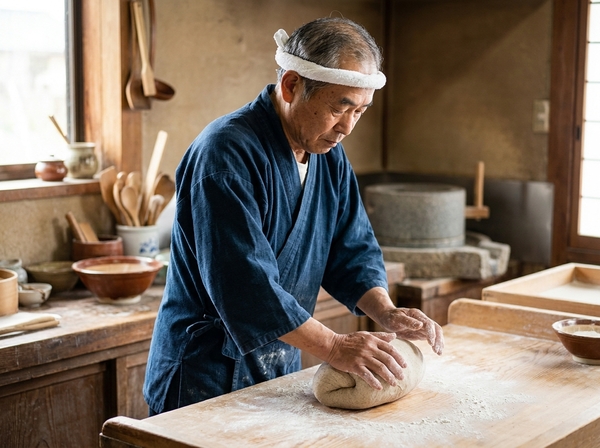
Authentic soba — stone-milled, high-buckwheat, prepared fresh — is a different product entirely. That's the standard Shimbashi holds as Melbourne's dedicated soba restaurant.
How to Get the Most Nutritional Value from Soba
- Choose 100% buckwheat soba — or as high a buckwheat ratio as possible
- Eat it with vegetables and protein — soba is a base, not a complete meal on its own
- Don't overcook it — overcooked soba loses texture and raises the effective GI
- Drink the sobayu — the hot cooking water served at the end of a meal in traditional restaurants, which contains water-soluble rutin and B vitamins that leach out during cooking
Ready to Try It for Yourself?
Understanding the health benefits of soba noodles is one thing — experiencing the flavour is another. If you're in Melbourne and want to taste what genuine buckwheat soba is supposed to be, visit Shimbashi Soba and try it made the way it has been made in Japan for centuries: stone-milled, hand-crafted, and served with care.