
SHIMBASHI
gluten-free / soba noodles / sushi / bar
Melbourne made
vegetarian + vegan friendly
Is Soba Gluten-Free? The Honest Answer (And Why It Depends)
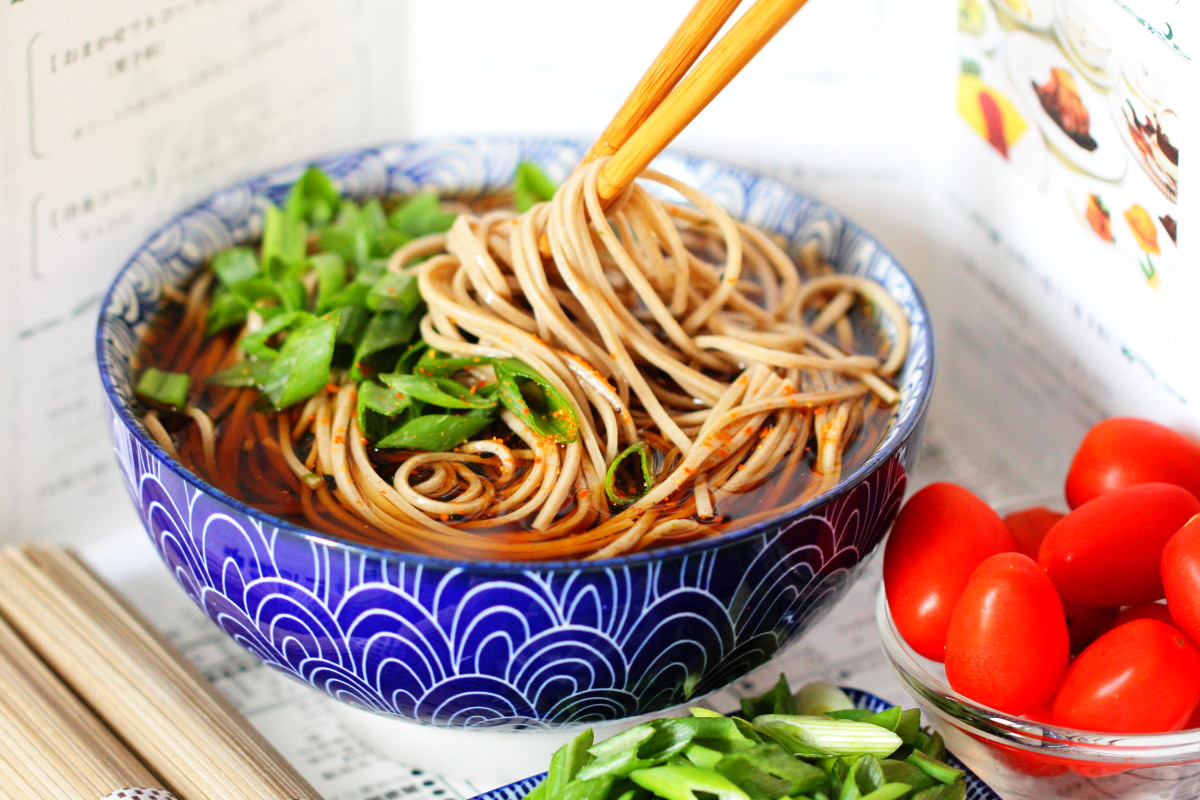
If you're coeliac, gluten-intolerant, or just cutting back, Japanese food can feel like a minefield. Soba looks like a safe bet. Buckwheat, not wheat, so it should be fine. It isn't that simple.
Whether soba is gluten-free depends on where it comes from and how it's made. Some soba is gluten-free. A lot of it isn't. Most menus won't tell you which one you're getting. So here's what matters before you order.
What Is Soba, Actually?
Soba is a Japanese noodle made from buckwheat flour. Despite the name, buckwheat has nothing to do with wheat. It's a seed, closer to rhubarb than to any grain. That's why it's naturally gluten-free, and why it's been a staple for wheat-avoiders long before "gluten-free" showed up on Melbourne menus.
Japan has eaten soba for centuries: a humble Edo-period food that got refined into something closer to a craft. Made properly, buckwheat gets milled into flour, mixed with water, then rolled and cut by hand. The result has a nutty, earthy flavour and a firm bite, nothing like what comes out of a packet. Curious how it stacks up against other Japanese noodles? See our ramen vs soba vs udon breakdown. So far, so gluten-free. Here's where it gets complicated.
The Problem: Most Soba Isn't 100% Buckwheat
Pure buckwheat flour doesn't bind well on its own, which makes it hard to roll and cut. So most commercial soba, restaurant soba included, gets blended with regular wheat flour. Sometimes 80% buckwheat, sometimes closer to 50/50. Occasionally less.
Japan has a name for the pure version: juwari, 100% buckwheat, harder to make, more expensive, and properly gluten-free. The blended version is hachi-wari, roughly 80% buckwheat, and it contains gluten. Menus rarely specify which one is on the plate. You'll just see "soba noodles" and have to ask.
If you have coeliac disease or a serious intolerance, that gap matters. Eating hachi-wari thinking it's safe is an easy way to ruin an evening. Ask before you order. Any kitchen that takes soba seriously knows exactly what's in its noodles.
What About Soy Sauce and Cross-Contamination?
Even 100% buckwheat soba can pick up gluten elsewhere on the plate. The two usual culprits: soy sauce and shared kitchen equipment.
Traditional Japanese soy sauce (shoyu) is brewed with wheat, and so is tsuyu, the dipping sauce that comes with cold soba. Standard soy sauce or bottled tsuyu means your gluten-free noodles just met a very-much-not-gluten-free condiment.
Cross-contamination is the other risk. Shared pots, shared ladles, shared prep surfaces across a busy service. For someone with coeliac disease, that's enough to trigger a reaction even when every listed ingredient checks out on its own.
A quick checklist for ordering soba anywhere:
| What to check | What to ask | Red flag |
|---|---|---|
| Noodle blend | "Is your soba 100% buckwheat?" | Can't answer, or says "mostly buckwheat" |
| Soy sauce | "Do you use tamari or wheat-free soy sauce?" | Standard Kikkoman or house soy sauce |
| Tsuyu / dipping sauce | "Is the dipping sauce gluten-free?" | Pre-made tsuyu from a bottle |
| Shared cooking water | "Are the soba noodles cooked separately?" | One pot used for all noodle types |
| Tempura / fried items | "Is there a dedicated fryer for GF dishes?" | Shared fryer with wheat-battered items |
A kitchen that takes gluten seriously answers all five without hesitating. Staff who need to check with the kitchen every time? Worth factoring in.
What About Sushi? Is That Gluten-Free?
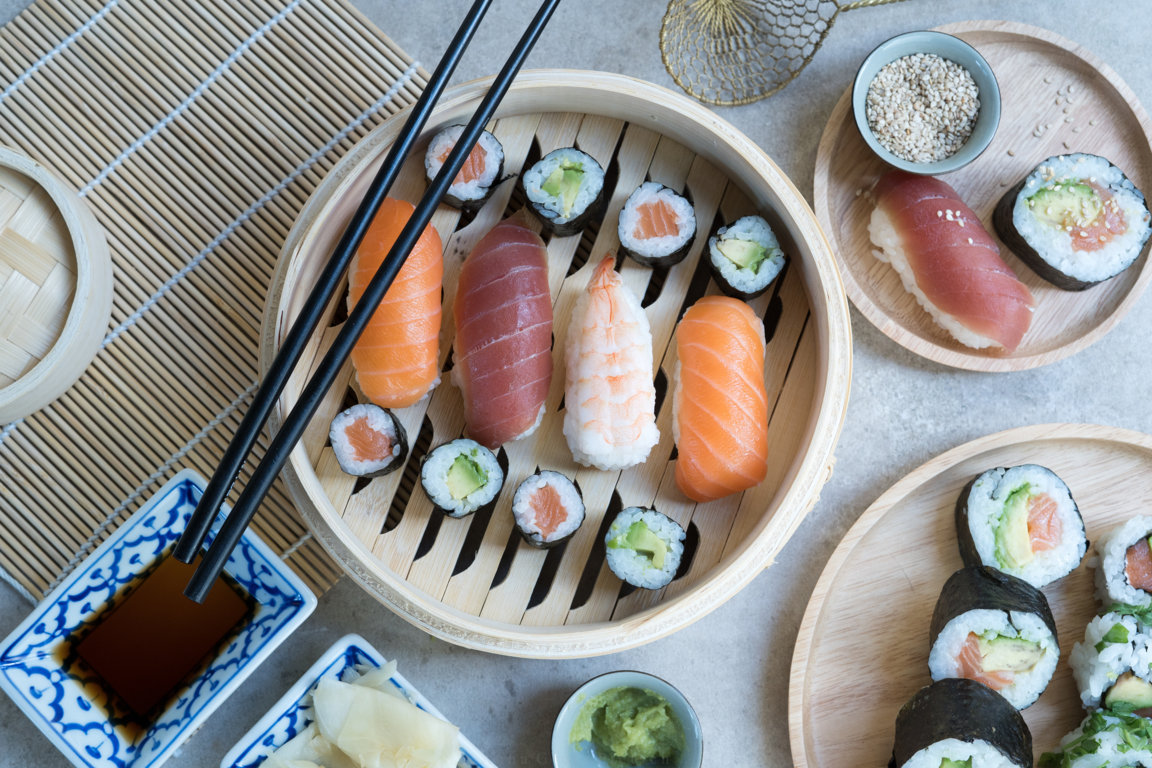
Sushi gets filed under "safe Japanese food" a lot, and fairly enough: rice, fish, seaweed, none of it gluten. The actual menu is messier than that.
What's usually fine, and what to watch for:
- Sushi rice: Usually fine, though some seasoning blends carry additives worth a quick check.
- Nori (seaweed): Gluten-free.
- Fresh fish and seafood: Fine on its own; the risk is in marinades and sauces added before serving.
- Soy sauce on the side: Standard soy sauce contains wheat. Ask for tamari; most places stock it.
- Imitation crab (surimi): Almost always has wheat starch. The hidden gluten source in California rolls and similar.
- Tempura, anything: Battered in wheat flour. Not gluten-free, full stop.
- Teriyaki sauce: Usually built on soy sauce, so gluten unless stated otherwise.
- Spicy mayo: Generally fine, but some brands thicken it with something that isn't. Inconsistent across kitchens.
Short version: plain nigiri with tamari is the safest order. Anything with a sauce, a crumb, a batter, or a "house special filling" needs a second look.
How Shimbashi Does It Differently
Soba isn't a side note on Shimbashi's menu. It's the point. The noodles are made fresh daily, in-house, from Tasmanian buckwheat milled on-site before service. Buckwheat, water, nothing else. No guessing what's in them.
The Tasmanian buckwheat isn't a marketing detail. Tasmania's cool climate and clean growing conditions produce buckwheat with a distinct nutty flavour and consistent quality, a step up from the generic flour most kitchens reach for when they bother with soba at all. Milling it fresh each day means the flour hasn't oxidised, which shows up in both taste and texture.
Because the soba itself is 100% buckwheat, it's gluten-free by nature. The kitchen runs with GF diners in mind too: separate preparation, tamari on hand instead of standard soy sauce, and staff who can answer your questions on the spot.
Shimbashi runs three Melbourne locations: Collingwood on Smith Street, Northcote on High Street, Carlton North on Rathdowne Street. All open Tuesday to Sunday for lunch and dinner. If you've been skipping Japanese food over a lack of a straight answer on gluten, this is worth the visit.
Tips for Eating Gluten-Free at a Japanese Restaurant in Melbourne
Melbourne's Japanese food scene is good, and most of it is navigable once you know what to check for.
- Ring ahead if you're coeliac. A quick call before you show up costs nothing. A kitchen that takes dietary needs seriously will appreciate it, and if the question seems to annoy them, that tells you something too.
- Ask about the soba blend specifically. "Is your soba gluten-free?" isn't enough. Ask if it's 100% buckwheat. Plenty of staff will say yes to the first question without realising the noodles have wheat flour in them.
- Always ask for tamari. Most Japanese kitchens stock it. If they don't, that's a sign GF dining isn't on their radar.
- Skip the shared fryer. Tempura and GF dishes cooked in the same oil is a real cross-contamination risk. No dedicated fryer, no fried food.
- Stick to simpler dishes. Plain nigiri, grilled protein, edamame, miso soup (check the dashi for wheat). Fewer components means fewer places for gluten to hide.
- Don't assume rice and fish means safe. True in principle. In practice, soy sauce, marinades and wheat-based thickeners turn up in more places than you'd expect.
Ready to Try Soba the Right Way?
Now you know what to check for, if soba's been off the table until now. Skip the guesswork entirely: Shimbashi's soba is freshly milled, 100% Tasmanian buckwheat, about as straightforward as gluten-free Japanese food gets in Melbourne.
Come try what soba is supposed to taste like. Collingwood, Northcote, Carlton North, Tuesday through Sunday. Book a table, or just walk in and we'll sort you out.